 Safety & Security
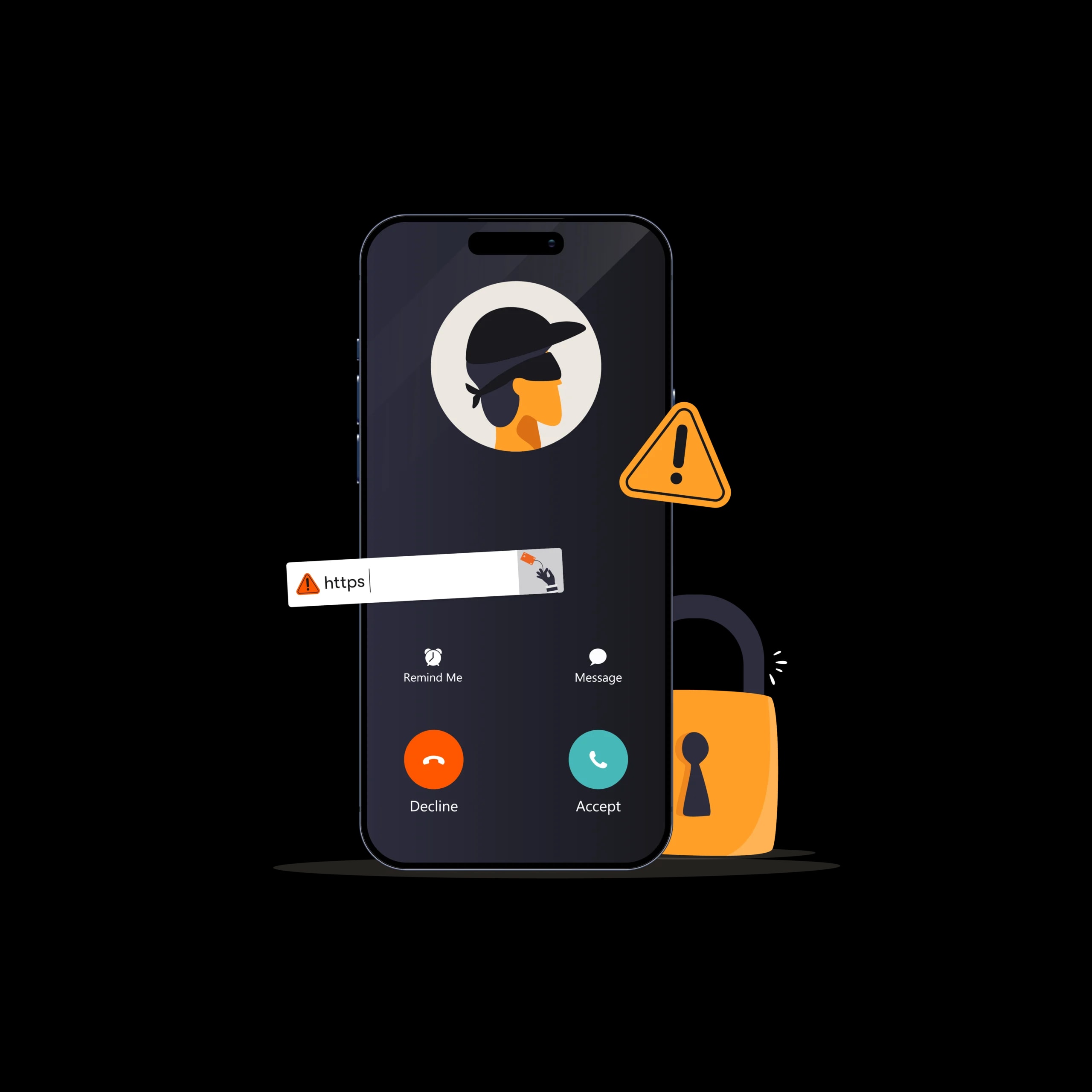
Imagine receiving a call from someone claiming to be a bank employee. They tell you there's been a suspicious attempt to access your account and that they need some information from you to stop it. They sound confident, their story seems convincing, and even the details they share make you believe they're genuinely calling from the bank.
Then, you receive a one-time password (OTP) on your phone, and they ask you to share it so they can “protect your account”.
Sounds like someone trying to help, right?
But what if the person claiming they want to protect your money is actually trying to steal it?
Welcome to the world of digital fraud, where scammers no longer need to steal your card or hack into your account themselves. Sometimes, all they need is to convince you to share your information to access your account.
As scams become more sophisticated, knowing how to spot and respond to them is your first line of defence in protecting your personal information, accounts, and money.
How can one phone call put your money at risk?
You might think digital fraud only includes suspicious links and strange messages, but the truth is that scammers are constantly finding new ways to trick people. Some don't try to break into systems, they try to earn your trust instead.
Here are 3 common scenarios you should watch out for:
1. “Hello, I'm calling from the bank…”
You receive a call from someone claiming to be a bank employee. They tell you there's been a suspicious transaction or withdrawal on your account. To stop it, they ask you to verify your identity or share the OTP sent to your phone.
They might use reassuring phrases like “Don't worry, we're here to help”, or pressure you by saying, “We need to act quickly to protect your account”.
Stay alert! A scammer might sound exactly like a bank employee, but that doesn't make them one. The bank will never ask you to share your OTP to protect your account.
2. “Congratulations! You've won a prize”
You receive a message saying that you've won a prize or qualified for an exclusive reward. All you have to do is click a link and enter your details to claim it.
The offer might sound tempting, but before you celebrate, ask yourself, can you trust the sender? The bank will never ask you to share your personal information through a call, SMS, or link.
Remember: Not every exciting offer is real, and not every caller is who they claim to be!
3. “Your account will be suspended in minutes!”
You receive a message that looks like it's from an official organisation, warning that your account will be suspended or your card blocked unless you update your details immediately through an attached link.
This is where scammers rely on fear and urgency, hoping you'll act before you have time to think.
Don't let fear make the decision for you. If you receive a message like this, contact the bank through its official channels and verify that it's real before taking any action.
OTPs: A few digits that could cost you a lot!
The one-time password (OTP) you receive by text might look like just another set of numbers, but it's an important way to verify your identity and approve certain banking transactions.
That's where the risk lies. When you share your OTP with someone else, you could allow them to complete a transaction you never intended to approve.
Think of your OTP as the key to your home. You wouldn't hand it to a stranger, no matter how convincing, friendly, or urgent they sound. The same goes for your banking details.
3 rules you should always follow
- Never share your OTP with anyone, even if they claim to be a bank employee.
- Never reveal confidential information, including your account password, card PIN, or app login details.
- Never approve a transaction you didn't make yourself or don't recognise.
Most importantly: Bank al Etihad will never ask you to share your OTP, password, or card PIN to protect your account.
6 simple habits that can help protect you from fraud
You don't need to be a tech expert to keep yourself safe. A few simple habits can make all the difference.
1. Verify before you trust
If someone calls claiming to be from the bank, don't take their word for it. End the call and contact the bank using its official phone number or verified communication channels.
2. Think twice before clicking a link
Even if you recognise the sender's name, don't rush to open links. Visit the official website or app yourself instead of opening links sent to you in messages.
3. Keep your codes and personal details to yourself
Your OTP, account password, and card PIN are yours alone. Never share them with a bank employee, a friend, or anyone claiming to help you.
4. Don't let urgency fool you
“Your account will be suspended in minutes!” or “You need to act now!”
These phrases are often used to pressure you into making a quick decision without thinking it through. Take your time and check that the request is genuine before doing anything.
5. Keep an eye on your accounts
Make a habit of checking your transaction notifications and reviewing your account and card activity regularly. If you spot a transaction you don't recognise, contact the bank immediately.
6. Share awareness, not your personal details
Talk to your family and friends about common scams, especially older family members and anyone less familiar with digital banking. A simple tip from you could help someone avoid losing their money.
Shared your OTP by mistake? Here's what to do right away
If you've shared your OTP or banking details with someone you think might be a scammer, or noticed a transaction you didn't make, you can act quickly to help limit the damage.
Here's what you should do:
- Contact the bank immediately through its official channels and explain what happened.
- Ask the bank to secure your accounts and cards and stop any suspicious transactions.
- Change any passwords that may have been compromised and follow the bank's instructions to secure your account.
- Keep any evidence you have, including messages, phone numbers, and links used by the scammer.
- Report the attempted fraud or transaction to the relevant authorities.
The most important thing is, don’t wait to take action. The sooner you act, the better your chances of limiting potential losses.
Are digital banking services unsafe?
Absolutely not!
Digital banking has become part of our everyday lives. It saves us time and makes it easier to manage our money wherever we are.
But just as we make sure to lock our doors at home, we also need to protect our accounts and personal information when using digital services.
Just because scammers try to take advantage of people's trust doesn't mean we should avoid digital banking. It means we need to stay informed, remain cautious, and learn to recognise genuine communication apart from fraud.
At Bank al Etihad, we're committed to keeping our customers informed and helping them bank safely. Because protecting your money isn't just about security measures. It also starts with knowing how to keep your information and accounts safe.
Before you share any code, remember this!
Scammers may change their stories, find new tactics, and become harder to spot.
But one rule never changes: your OTP and account password belong to you alone. Never share them with anyone, no matter how convincing their story sounds.
As scams become harder to spot, staying informed and alert is one of the best ways to protect your money. Keep your information safe, verify before you trust, and don't give scammers access to your money.
